
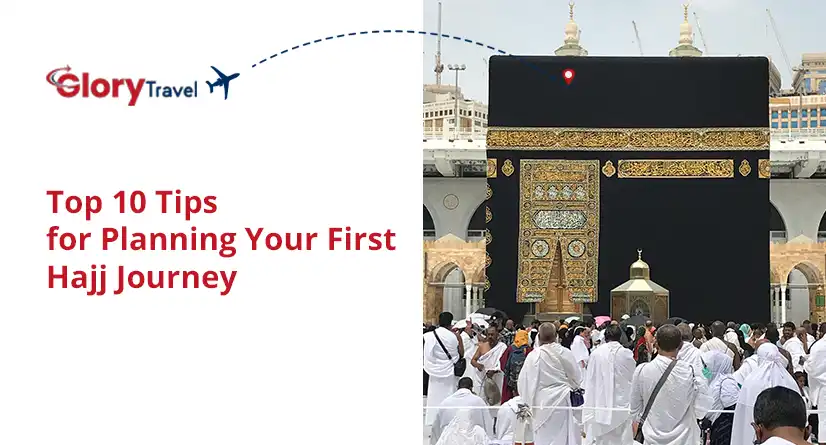
Going on a sacred pilgrimage of Hajj is a transformative experience for every Muslim. For first-time pilgrims, there are many physical, logistical, and spiritual preparations to be made, which can feel overwhelming. You can have a seamless, fulfilling, and spiritually enriching experience with the right considerations, planning, and guidance.
In this blog, we will share our top 10 planning tips for the Hajj and a first-time Hajj guide to help you prepare thoroughly for and embark upon this blessed journey.
The first of the Hajj preparation tips is to start early. Compare packages, look at flights, and research accommodations 6–12 months before travelling. The sooner you start preparing, the more options you have, and often, better deals. Early preparation leaves you enough time not only for booking, but for your documentation, vaccinations, and fitness preparations too.
The starting point for your Hajj checklist should always be important documents. Make sure you have:
● Valid passport (with proper validity duration)
● Hajj visa (applied for by approved agents)
● Flight tickets and hotel reservation confirmations
● Emergency contacts and copies of IDs
Have paper and electronic copies in case of loss.
Hajj involves long walks, high-density rituals, and hot weather conditions. Start a fitness routine months before you leave for Saudi Arabia, including a daily walk, light cardio, and daily hydration practices. This is a major step in how to physically prepare for Hajj.
Packing smart is comforting and provides peace of mind. A basic Hajj packing list may include the following:
● Ihram clothes and additional modest clothing.
● Comfortable shoes/slippers.
● A small daypack for your daily belongings.
● A prayer mat, a pocket Qura,n and a dua book.
● Toiletries and unscented hygiene products.
● Basic medications and a first aid kit.
● Don't overpack; you will be hauling everything during your pilgrimage rituals, and it gets heavy.
As a Hajj tips for beginners, take time to research the Hajj, which sacrament is done in and of itself (Hajj rituals learned original order, by utilising reliable guides, watching videos, and going to seminars. Understanding Tawaf, Sa'i, Arafat, Mina, Muzdalifah, and stonings before the event will alleviate confusion when the time comes for you to perform Hajj.
As important as the physical elements are, the most essential aspect of Hajj is the preparation of the heart. Start off by committing yourself to regular prayers, recitation of the Qur'an, and asking for forgiveness. Prepare yourself emotionally and spiritually by learning patience and humility, as the pilgrimage will definitely challenge you in both of these areas. This spiritual preparation for the Hajj is a crucial means that can help strengthen your mindset for this sacred journey.

Most pilgrims travel in groups for a variety of reasons, especially for convenient and safe travel. Homebase will help you stay in touch with your group leader and your fellow travelers. Follow instructions carefully and watch your group carefully, especially when moving between sacred sites. Being in a group not only helps you avoid getting lost but also provides emotional support, something that is greatly needed during the pilgrimage experience.
Carry money in several formats, including cash, travel cards, and digital, where available. For everyday requirements, keep small bills. Plan your money for food, transport, and shopping, with essentials first. Financial planning is something to know before Hajj to eliminate any unnecessary stress.
Certain vaccinations are mandatory for pilgrims before completing their pilgrimage. Make sure you carry sanitizers, masks, and drink a lot of fluids. Heatstroke and exhaustion is common on the Hajj expedition, which is why you need to rest whenever possible. If you follow these Hajj travel tips, you can be assured of your health during the journey.
Every pilgrimage has its challenges, crowded spaces, long lines, and some delays that are outside of your control. Remember that Hajj is a test of patience. Be thankful for each challenge and remind yourself of the ultimate reward of achieving a spiritually purified soul.
The main steps of Hajj are:
These steps are performed in order during Dhul Hijjah and complete the Hajj journey.
Preparation for Hajj includes spiritual, physical, and practical steps. Spiritually, make intention, repent, increase prayers, and memorize duas. Physically, build stamina with walking, as Hajj involves long hours of movement. Practically, secure your passport, visa, tickets, and accommodation early. Pack Ihram clothes, light garments, prayer essentials, and necessary medications. Ensure your family’s financial needs are met while you’re away. Learning the steps of Hajj in advance ensures a smoother experience.
No, seven Umrahs are not equal to one Hajj. Hajj is a pillar of Islam and obligatory once in a lifetime for those who are capable. Umrah is a recommended act of worship but not a substitute for Hajj. The two have different rituals, timings, and spiritual significance. Hajj must be performed in Dhul Hijjah, while Umrah can be done anytime.
The essential obligations (farz) of Hajj are:
Missing any of these invalidates the Hajj, as they are compulsory acts.
Safa and Marwa are two hills near the Kaaba where pilgrims perform Sa‘i. After Tawaf, pilgrims walk seven times between them, starting at Safa and ending at Marwa. Each round is done with dua and remembrance of Allah, recalling Hajar’s search for water. Men may jog lightly between the green markers, while women walk normally. Completing seven rounds fulfills this ritual.
The 7 steps are:
These are the core rituals that complete Hajj.
Hajj can be physically and mentally challenging due to large crowds, long walks, and extreme weather. However, with preparation, patience, and focus on worship, it becomes manageable. Millions of Muslims complete Hajj every year, finding strength through faith. Proper planning, health readiness, and spiritual focus make the journey easier.
Your first experience of pilgrimage is an exceptional blessing that can genuinely help you strengthen your connection with Allah. With correct Hajj planning tips, a good Hajj checklist, and proper spiritual preparation for Hajj, you can have wonderfully rewarding journey.
Whether you are searching for a first-time Hajj guide, making a Hajj packing list, going to learn Hajj rituals step by step, proper preparation is the key to a successful Hajj. May Allah accept your Hajj and give you ease throughout your journey.


Glory Travel and Tours offers unforgettable journeys with expertly crafted Hajj, Umrah, and leisure packages. Committed to excellence, we ensure comfort, convenience, and care every step of the way.
Copyright© 2025 GloryTravel. All Rights Reserved.
SHARE THIS BLOG